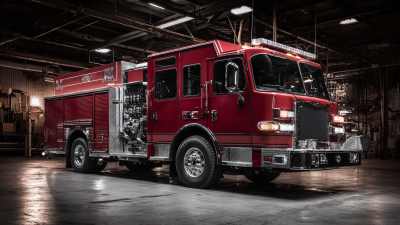
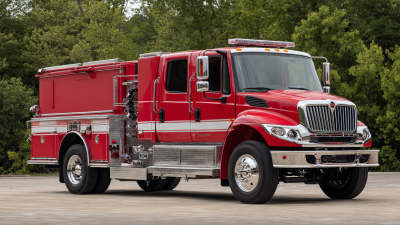
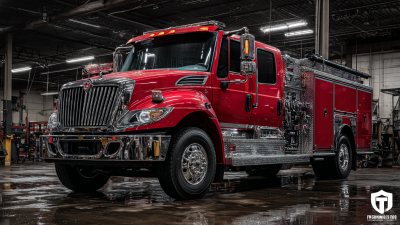
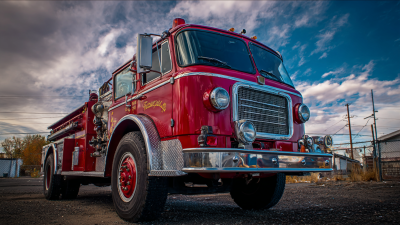
Fire trucks really are the backbone of emergency response — I mean, without them, things would be a lot more chaotic. It’s super important to know about the critical Fire Truck Parts, because having a good understanding can make a real difference when seconds count. According to the National Fire Protection Association (NFPA), over 1.1 million firefighters step up every year to handle emergencies. And honestly, how well their fire trucks perform can make or break those crucial moments.
Every part of a fire truck has its own role — for example, the pump system is key for sending water where it’s needed. If that pump acts up or fails, it can slow down a rescue, which is pretty risky. Studies show that equipment failures are behind about 10% of all fire incident delays — that’s a significant chunk! So, keeping Fire Truck Parts in top shape through regular checks and maintenance is absolutely essential.
The thing is, not all fire departments have the latest tech or the budget to swap out old parts. This can be a real problem because outdated equipment might delay response times, putting everyone’s safety at risk. Fixing this isn’t easy — it’s gonna need teamwork and some funding help to make sure all departments have what they need to do their job effectively.
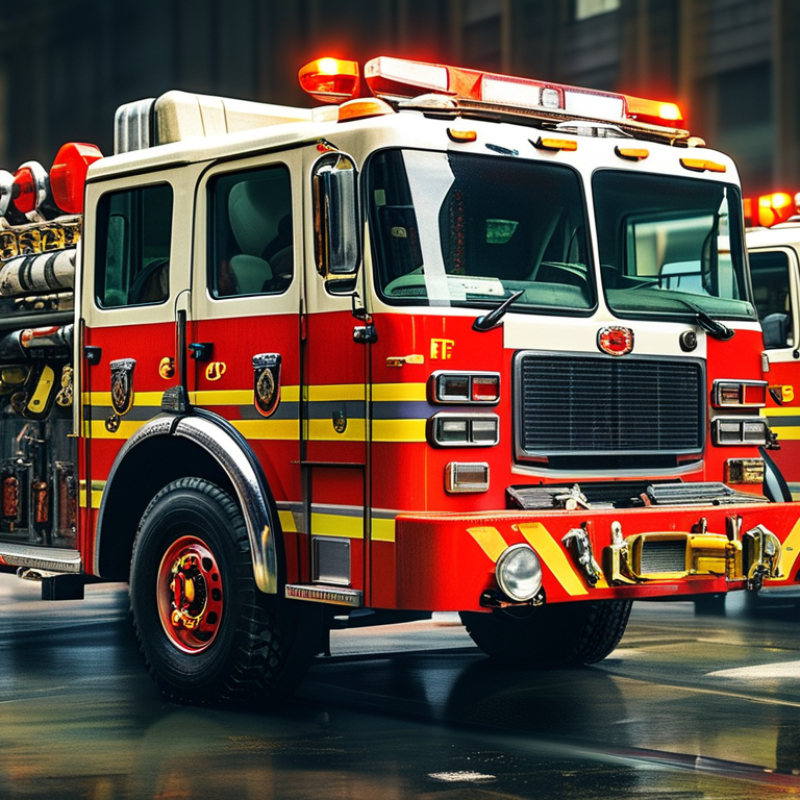
Essential Components of a Fire Truck
Fire trucks are essential for public safety. They are complex vehicles equipped with various components. Each part plays a critical role in emergency response. Understanding these components is vital for anyone interested in firefighting technology.
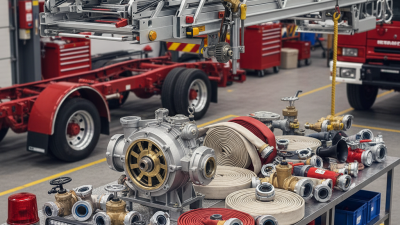
A fire truck includes a powerful water pump. This pump is responsible for delivering water at high pressure. It enables firefighters to combat flames effectively. Another key part is the fire hose, which comes in different sizes. It connects to the pump and carries water to the fire. Firefighters rely on sturdy ladders, too. These ladders assist in rescuing people from high places.
Communication systems are also crucial. They help firefighters stay connected during operations. Yet, maintaining this equipment can be challenging. Proper training is necessary to ensure all components function correctly. Even the best-designed fire trucks can face issues. Regular inspections and repairs are essential. Understanding the relationship between parts can improve overall effectiveness. When evaluating Tow Truck Parts, one can see a similar complexity. Each piece contributes to overall safety and efficiency. Thus, attention to detail is key in fire truck design and maintenance.
The Role of the Chassis in Fire Truck Design
The chassis of a fire truck is vital for its overall functionality. It serves as the foundation, supporting all essential components. A sturdy chassis ensures the truck can carry heavy equipment and withstand rugged conditions. Firefighters rely on it during emergencies, making reliability critical.
When considering fire truck design, paying attention to the chassis also impacts maneuverability. It needs to be agile enough to navigate tight urban spaces. This balance between strength and flexibility can be tricky. Deficiencies here could lead to delays in critical situations. Ensuring that the truck can respond swiftly is a priority.
Tips for selecting Truck Cap Parts include focusing on quality materials. High-grade steel or aluminum can enhance durability. Also, consider weight distribution across the chassis. This aspect can significantly affect handling. Regular maintenance checks are essential, as wear and tear are common. Overlooking this can compromise safety and performance.
What Are the Essential Parts of a Fire Truck? - The Role of the Chassis in Fire Truck Design
| Part | Description | Function |
| Chassis | The base structure of the fire truck that supports the entire vehicle. | Provides stability and durability for carrying heavy equipment. |
| Pump | Mechanical device that moves water from the tank or external sources. | Supplies water to the hoses at high pressure during firefighting efforts. |
| Water Tank | A compartment for storing water needed for firefighting. | Ensures immediate access to water during an emergency. |
| Hoses | Flexible tubes for transporting water to the fire scene. | Allows firefighters to direct water at the fire from a safe distance. |
| Ladder | Extendable ladder for accessing heights during emergencies. | Facilitates rescue operations and firefighting from elevated positions. |
| Lighting System | Built-in lights to illuminate dark areas during firefighting activities. | Enhances visibility and safety during nighttime operations. |
| Control Panel | Interface for operating various fire truck systems. | Allows firefighters to manage the pump, water flow, and lighting. |
Overview of Firefighting Water Pumps and Their Functionality
Firefighting water pumps are vital components of a fire truck, designed to deliver water efficiently during emergencies. These pumps can draw water from various sources, including hydrants, lakes, or tanks. Their functionality determines how quickly and effectively firefighters can combat flames.
The heart of the pump system is the pump house. It houses the mechanisms that pressurize the water. High-capacity pumps, often rated in gallons per minute, allow for rapid response. They can be powered by the truck's engine or have independent engines for flexibility. Understanding these mechanics is crucial for effective firefighting.
Tips for using firefighting pumps include regular maintenance inspections. Check hoses and fittings for wear and tear. Ensure all connections are secure. Test the pump regularly to avoid unexpected failures during emergencies. Keeping a log of these checks can help identify issues before they become critical. Knowledge of pump operations can drastically improve response times, saving lives and property.
Essential Components of a Fire Truck
Importance of Water Tanks and Storage Capacity
Water tanks are a vital component of fire trucks, directly influencing their effectiveness during emergencies. According to the National Fire Protection Association (NFPA), a typical fire truck can carry anywhere from 500 to 1,500 gallons of water. This capacity is essential for tackling blazes quickly, especially in rural areas where hydrants may not be available. The design of water tanks must ensure durability while also being lightweight. This balance helps with vehicle maneuverability, which can be crucial during emergencies.
The storage capacity of a fire truck extends beyond just water. Fire trucks also require space for hoses, tools, and other equipment. An effective water tank should allow for quick access and refilling procedures. In some cases, overloading the storage can lead to safety risks or reduced response times. A fire truck's performance can suffer if the distribution of weight is not properly managed. Regular checks and assessments of All Truck Parts, including the water tank, are necessary to maintain operational efficiency.
While the importance of water tanks is clear, some fire departments face challenges. Aging fleets lead to outdated designs and materials. This can result in increased maintenance costs and potential delays during operations. It is crucial for departments to reflect on these limitations and explore modern solutions that enhance the reliability of their fire trucks. Addressing such issues ensures that the firefighters can focus on their primary mission: saving lives and property.
Fire Hose Reels and Their Organization on Fire Trucks
Fire trucks are equipped with various essential tools for firefighting. Among these, fire hose reels play a crucial role. These reels help keep hoses organized, preventing tangles during emergencies. A well-organized hose system can reduce response time. According to the National Fire Protection Association (NFPA), efficient organization contributes to faster deployment, significantly impacting fire control.
Fire hose reels typically hold 50 to 200 feet of hose. They enable firefighters to quickly access needed lengths without delay. Effective training is vital. Firefighters must know how to quickly deploy hoses. Yet, even with training, issues can arise. Sometimes, reels jam or hoses become difficult to unwind. Frequent maintenance checks are recommended to address these concerns.
The placement of fire hose reels is critical. They should be easily accessible but also secure. This balance ensures safety while allowing for speed. Some studies suggest that over 30% of firefighters encounter difficulties during hose deployment due to poor organization. Regular assessments of hose arrangement and functionality can mitigate these challenges, thus enhancing firefighting effectiveness.
Firefighting Equipment: Ladders, Tools, and Accessories
Firefighting requires a variety of tools and accessories to be effective. Ladders are essential, providing access to high places. Firefighters often rely on extension ladders that can reach several stories. Knowing how to set up these ladders safely is crucial. Quick access to these tools can mean the difference in a rescue scenario.
Tools used by firefighters vary greatly. Hand tools, such as axes and pry bars, assist in breaking through barriers. A fire truck should be equipped with cutting tools for emergencies. The organization of these tools on the fire truck is vital. Ensuring that they are easily accessible saves time.
Tips: Regular training on equipment use is important. Familiarity with Attp Truck Parts can increase efficiency in emergencies. Always check tools for wear and tear. Maintenance inspection is key. Even the best tools can fail without proper care. In firefighting, each moment counts. Reassessment of strategies and tools helps improve response times.
Safety Features Integrated into Modern Fire Trucks
Modern fire trucks are equipped with advanced safety features. These elements are crucial for the protection of firefighters and the community. One essential feature is the robust design of the vehicle. A strong chassis provides stability during high-speed responses and rough terrain navigation.
Another important aspect is the presence of advanced braking systems. Anti-lock braking systems help prevent skidding during emergency maneuvers. Visibility is also enhanced by powerful headlights and reflective markings on the truck, improving safety during night operations, making it easier for other drivers to see the vehicle.
Fire trucks often include dedicated firefighter safety equipment, such as rollover protection systems and compartment designs that minimize injury risks. However, this integration of safety features can raise questions. Are all fire departments updating their fleets regularly? The disparity in equipment standards can lead to serious challenges on the scene. It's vital that every fire service continually assesses its vehicles to ensure optimal safety for its personnel.
FAQS
: The chassis supports all essential components of a fire truck and ensures it can carry heavy equipment.
Fire trucks must navigate tight urban spaces quickly during emergencies. Agile chassis support rapid response.
Use quality materials like high-grade steel. Proper weight distribution also improves handling significantly.
They deliver water efficiently during emergencies, drawing from various sources like hydrants or lakes.
Water tanks directly affect effectiveness in emergencies, typically carrying 500 to 1,500 gallons, crucial for fighting fires.
Overloading can lead to safety risks and reduce response times. Proper weight management is essential.
They should reflect on limitations and explore modern solutions to enhance fire truck reliability.
Inspect hoses and fittings for wear. Ensure connections are secure to prevent unexpected failures.
Overlooking routine checks can compromise safety and performance. Regular assessments help identify critical issues.
Understanding pump mechanics can improve response times, which is vital for saving lives and property.
Conclusion
Fire trucks are equipped with essential components that ensure effective firefighting and emergency response. Key Fire Truck Parts include the chassis, which provides structural integrity and mobility, while firefighting water pumps play a crucial role in delivering high-pressure water to combat fires. Additionally, the capacity of water tanks is vital for sustaining firefighting efforts without immediate resupply.
Proper organization of fire hose reels is critical for quick deployment, and the inclusion of ladders, tools, and various accessories enhances the truck's capabilities. Modern fire trucks also integrate important safety features to protect both the crew and the public. Understanding these essential Fire Truck Parts highlights the complexity and necessity of fire trucks in emergency situations, emphasizing their role in safeguarding communities.